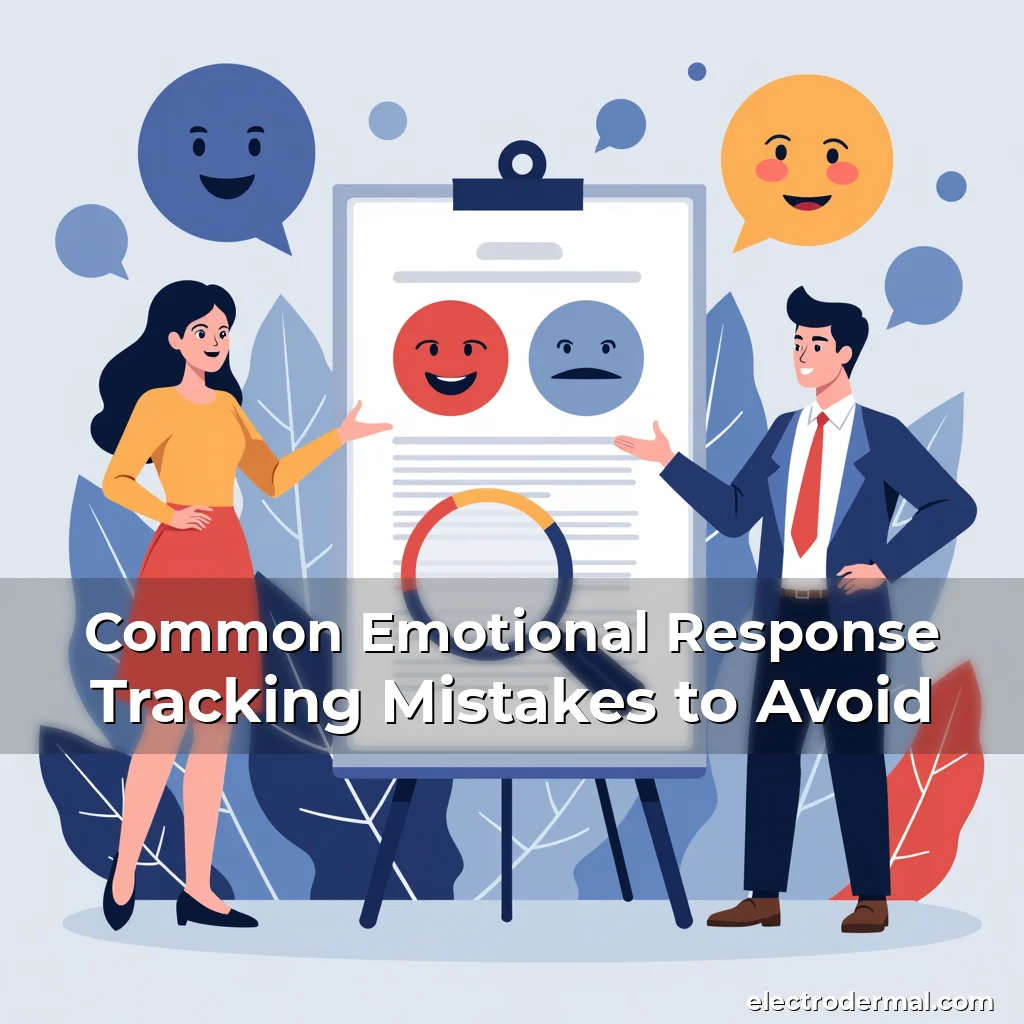
Common Emotional Response Tracking Mistakes to Avoid
The practice of tracking emotional responses has gained significant traction among individuals seeking self-awareness and those exploring alternative health practices, particularly within the electrodermal community. However, many approach this process without understanding potential pitfalls that can undermine accuracy and effectiveness.
Emotional response tracking involves monitoring physiological changes linked to emotions, often through tools like galvanic skin response (GSR) devices or biofeedback systems. While these methods offer insight, improper implementation can lead to misleading results or even harm.
Misunderstanding the Basics of Emotional Physiology
One of the most common mistakes is failing to grasp how emotions manifest physiologically. Emotions trigger complex neural pathways that influence heart rate, muscle tension, and sweat production—all measurable via electrodermal activity.
Many assume that simply measuring GSR equates to decoding precise emotions. In reality, electrodermal activity reflects autonomic nervous system arousal rather than identifying specific feelings like anxiety or joy.
- GSR measures conductivity: Sweat gland activity increases skin conductance, which can indicate stress levels but does not specify the emotion itself.
- Context matters: Without correlating GSR readings with situational factors, interpretations remain ambiguous and potentially misleading.
Overlooking Environmental Variables
Environmental conditions play a critical role in emotional response tracking. Factors such as room temperature, ambient noise, and lighting can significantly affect baseline measurements and interpretation accuracy.
A common oversight is conducting tests in uncontrolled environments. For example, bright lights might elevate alertness, skewing results unrelated to actual emotional states. Similarly, background sounds can subconsciously alter mood.
The Impact of Room Temperature
Studies show that temperatures above 26°C can increase sweating independently of emotional stimuli. Electrodermal readings taken in such settings risk overestimating stress levels during testing sessions.
Conversely, colder environments might suppress natural skin conductance fluctuations, leading to underreported emotional intensity. Maintaining consistent environmental parameters ensures reliable comparisons across tracking periods.
Ignoring Individual Baselines
Failing to establish personal baselines represents another frequent error in emotional response tracking. Every individual exhibits unique electrodermal patterns influenced by genetics, lifestyle, and prior experiences.
New users often compare their data against generalized norms instead of analyzing deviations from their own historical averages. This mistake leads to misinterpretations of both normal and abnormal reactions.
Cultivating Personalized Reference Points
To
- Combined biosensor arrays: Modern wearable platforms increasingly support multimodal tracking for enhanced contextual understanding.
- Synergistic effect: Cross-referencing multiple physiological indicators improves confidence in interpreting complex emotional phenomena.
Not Addressing Ethical Considerations
Privacy concerns demand special attention given sensitive nature of collected information. Unauthorized access to emotional data raises serious ethical implications.
Sharing raw recordings without explicit consent violates confidentiality principles. Secure storage protocols prevent misuse of personally identifiable emotional signatures.
Implementing Privacy Safeguards
Use end-to-end encryption for transmitting stored files externally. Implement multi-factor authentication layers for accessing secure repositories holding personal emotional data archives.
Anonymization techniques protect identities while still allowing aggregate pattern recognition useful for population-level research initiatives conducted responsibly.
Missing Out on Community Insights
Engaging with fellow enthusiasts enriches knowledge base considerably. Shared experiences often uncover novel applications and refinements absent from formal training materials.
Participation in online forums facilitates troubleshooting technical difficulties arising from diverse device configurations encountered globally by practitioners.
- Collaborative problem-solving: Crowdsourced expertise accelerates solution discovery faster than relying solely upon official support channels.
- Trendspotting: Observing collective feedback reveals emerging best practices evolving organically through practitioner communities worldwide.
Conclusion
This examination of common emotional response tracking errors underscores importance of methodological rigor alongside technological proficiency. Success depends equally upon scientific literacy and personal reflection capacities.
By adopting systematic approaches incorporating environmental controls, personalized baselines, and ethical safeguards, practitioners maximize utility of electrodermal tracking while minimizing pitfalls associated with premature or superficial implementations.

news is a contributor at ElectroDermal. We are committed to providing well-researched, accurate, and valuable content to our readers.