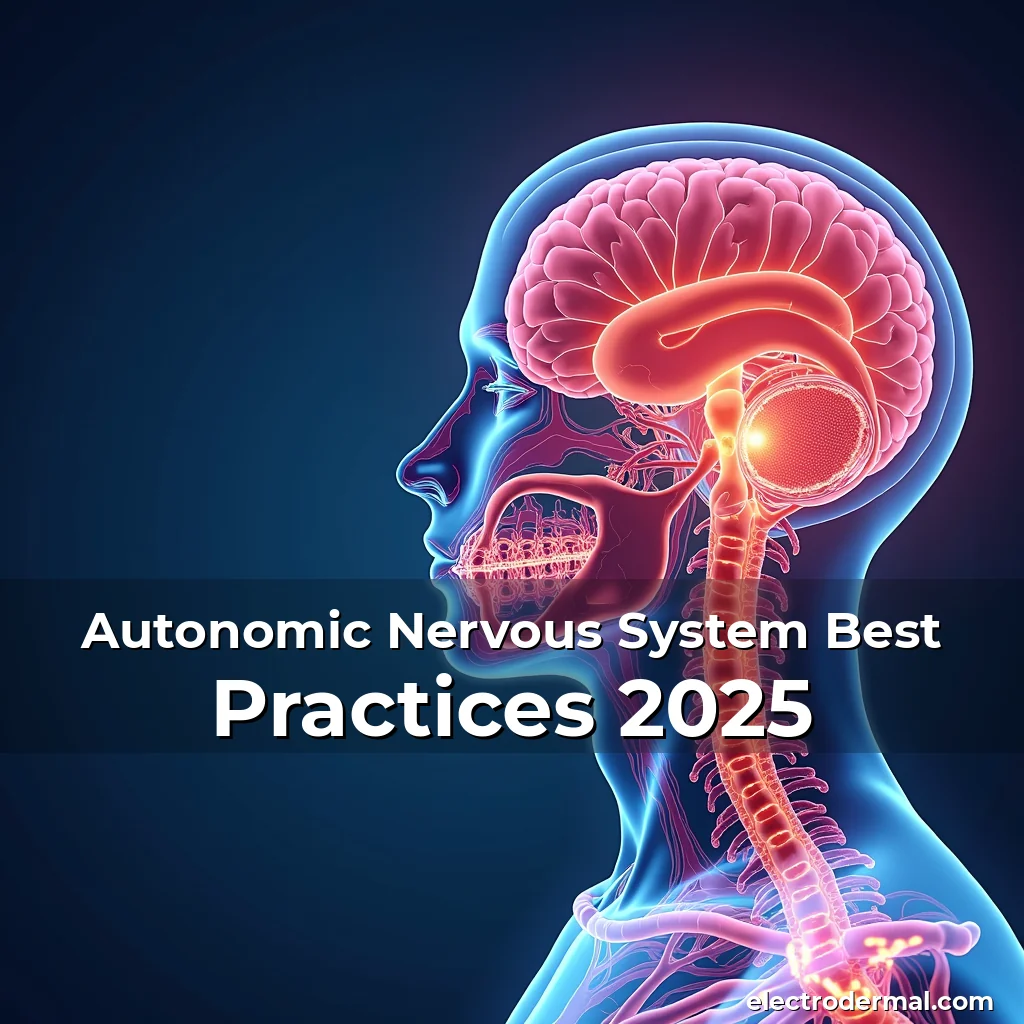
Autonomic Nervous System Best Practices 2025
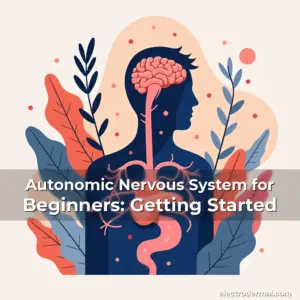
The autonomic nervous system plays a pivotal role in regulating involuntary bodily functions, influencing everything from heart rate to digestion. As interest grows in holistic health approaches, especially among the electrodermal community, understanding the intricacies of this system becomes increasingly vital.
With advancements in technology and a renewed emphasis on mind-body connection, exploring the autonomic nervous system provides opportunities for enhanced wellness practices and therapeutic interventions.
Understanding the Autonomic Nervous System
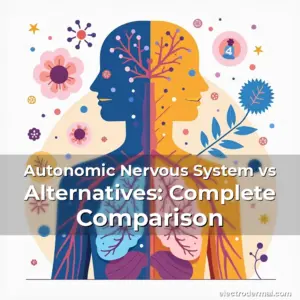
The autonomic nervous system consists of two primary divisions—the sympathetic and parasympathetic systems—that work in tandem to regulate physiological processes without conscious effort. These divisions control essential functions such as heart rate, blood pres
This intricate network communicates through nerve pathways and chemical messengers known as neurotransmitters, allowing rapid adjustments in response to internal and external stimuli. By modulating organ function and glandular secretions, the autonomic system ensures optimal performance during various states of arousal or relaxation.
- Sympathetic Division: Often referred to as the “fight or flight” response, this branch prepares the body for immediate action by increasing heart rate, dilating pupils, and redirecting blood flow to muscles.
- Parasympathetic Division: Known for promoting “rest and digest” activities, this division slows heart rate, stimulates digestion, and conserves energy when the body is at rest.
The Sympathetic Nervous System in Action
The sympathetic nervous system is responsible for initiating the body’s acute stress response, commonly known as the “fight or flight” reaction. This activation occurs in response to perceived threats, triggering a cascade of physiological changes aimed at enhancing survival capabilities.
During heightened alertness, the sympathetic system releases adrenaline and noradrenaline, which elevate heart rate, increase respiration, and enhance metabolic activity. Simultaneously, it reduces digestive processes and redirects blood flow to skeletal muscles for quick mobilization.
These responses are automatic and occur rapidly, often before conscious recognition of danger. The efficiency of this system underscores its evolutionary significance in protecting organisms against imminent threats.
Functions of the Parasympathetic Nervous System
In contrast to the sympathetic division, the parasympathetic nervous system focuses on restoring equilibrium after periods of stress or exertion. Its primary function involves facilitating recovery mechanisms that promote relaxation and conservation of resources.
By stimulating gastrointestinal motility and secretion, the parasympathetic system enhances nutrient absorption and waste elimination. Additionally, it regulates cardiac rhythm to lower heart rate and conserve energy, creating conditions conducive to long-term survival.
Commonly associated with deep sleep and meditation, the parasympathetic state fosters mental clarity and emotional stability. Engaging in mindfulness practices can effectively activate this pathway, offering benefits for overall well-being.
Neurotransmitters and Their Roles
Effective regulation of the autonomic nervous system relies heavily on neurotransmitters that facilitate communication between neurons. Acetylcholine serves dual roles in both divisions, acting as a stimulant in the parasympathetic system while inhibiting activity in certain parts of the sympathetic network.
Catecholamines like norepinephrine and epinephrine play crucial roles in amplifying the effects of the sympathetic response. These substances bind to adrenergic receptors located on target organs, eliciting varied physiological reactions depending on receptor subtype engagement.
Imbalances in neurotransmitter levels can disrupt normal functioning of the autonomic system, leading to chronic issues such as hypertension or anxiety disorders. Monitoring and managing these biochemical fluctuations may offer avenues for targeted therapies.
Electrodermal Activity and the Autonomic System
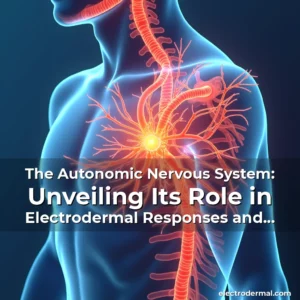
Evidence suggests that electrodermal activity closely mirrors patterns observed in the autonomic nervous system, reflecting variations in skin conductance linked to emotional states and cognitive processing. Utilizing galvanic skin response measurements can serve as indirect indicators of underlying neural dynamics.
Technological advances now allow precise tracking of microcurrents
Online platforms hosting webinars led by experts specializing in integrative medicine provide accessible learning experiences devoid of financial barriers typically encountered when attending conferences. Subscription services granting access to specialized databases enable thorough literature reviews spanning decades worth of accumulated knowledge.
Engagement with local support groups comprised of fellow researchers or practitioners engaged similarly facilitates collaborative problem-solving efforts aimed at advancing collective understanding within our respective disciplines.
Conclusion
Recognizing the profound impact of the autonomic nervous system on overall wellness emphasizes the necessity of adopting proactive measures designed to preserve its integrity. Understanding how lifestyle choices interact dynamically with internal regulatory mechanisms empowers individuals toward making informed decisions impacting their long-term vitality.
Embracing evidence-based strategies centered around enhancing autonomic balance presents tangible steps forward in cultivating resilient physiological frameworks capable of adapting gracefully amidst modern life’s myriad challenges. Prioritizing regular assessment alongside ongoing education guarantees sustained progress along this journey toward improved health outcomes.

news is a contributor at ElectroDermal. We are committed to providing well-researched, accurate, and valuable content to our readers.