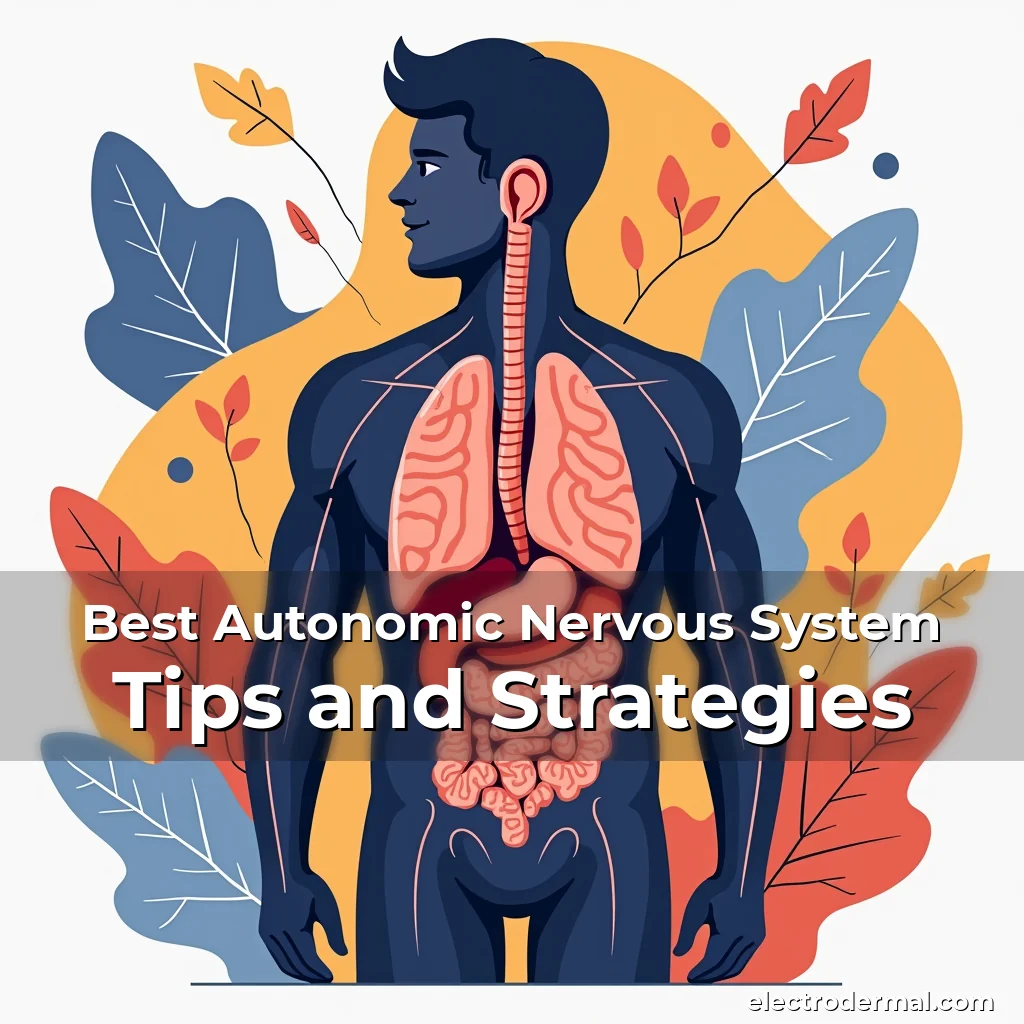
The Hidden Symphony of the Body: Understanding the Autonomic Nervous System
In the intricate orchestra of human physiology, few systems play as quietly yet powerfully as the autonomic nervous system (ANS). This unseen maestro governs everything from heart rate fluctuations to digestive processes without conscious effort.
Diving deeper into its functions reveals how it maintains homeostasis while responding dynamically to external stimuli through two primary divisions that work in harmony.
The Dual Nature of Regulation: Sympathetic and Parasympathetic Pathways
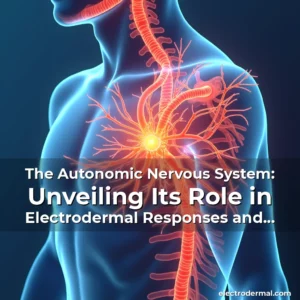
The ANS operates through two contrasting branches that create balance within the body’s internal environment. The sympathetic division prepares us for action by triggering fight-or-flight responses during stressors.
Conversely, the parasympathetic branch promotes relaxation and recovery after danger has passed, focusing energy on digestion and cellular repair processes.
- Sympathetic activation: Increases heart rate, dilates pupils, redirects blood flow to muscles
- Parasympathetic dominance: Slows respiration, stimulates digestion, enhances nutrient absorption
This dynamic interplay between these pathways ensures optimal functioning under varying conditions, though imbalances can lead to chronic health issues when either pathway becomes overactive.
The hypothalamus acts as the central command center coordinating signals between these divisions based on environmental cues and emotional states.
Electrodermal Insights Into Neural Communication
Evaluating skin conductance provides unique insights into autonomic activity levels through measurable changes in sweat gland secretion patterns.
This non-invasive technique allows practitioners to assess physiological arousal related to emotions, cognitive load, or exposure to specific stimuli.
For example, increased galvanic skin response often correlates with heightened anxiety levels or interest in particular subjects matter.
Such measurements help identify triggers that may disrupt normal ANS function before symptoms become clinically apparent.
Mechanisms Behind Electrodermal Activity
When activated, eccrine glands release moisture onto the skin surface creating temporary conductivity increases detectable via specialized sensors.
This process occurs rapidly in response to both voluntary actions like touching objects and involuntary reactions such as fear-induced sweating.
Average baseline readings typically range between 0.1-2 microsiemens/cm² depending on individual factors including hydration status and ambient temperature variations.
Seasoned professionals interpret these values alongside clinical observations for more accurate assessments of autonomic dysregulation.
Recognizing Signs of Dysregulated Functioning
Chronic stress exposure can gradually shift the equilibrium between sympathetic and parasympathetic activities toward constant alertness.
Common manifestations include persistent fatigue despite adequate rest periods due to impaired recovery mechanisms.
Gastrointestinal disturbances frequently accompany this imbalance as digestive efficiency declines under prolonged tension states.
Individuals experiencing frequent headaches might benefit from evaluating their autonomic tone since vascular regulation is closely tied to ANS activity levels.
Natural Methods For Restoring Balance
Regular breathing exercises have proven effective at stimulating vagal nerve activity which strengthens parasympathetic influence over time.
Focusing on slow nasal inhalation followed by extended exhalation through pursed lips activates calming neural circuits naturally.
Mindfulness meditation practices also contribute significantly towards retraining automatic responses associated with stress reactivity.
Consistent engagement with these techniques helps build resilience against future challenges by enhancing overall adaptability.
Cultivating Daily Routines That Support Homeostasis
Incorporating structured routines supports stable ANS function by providing predictable environments where regulatory systems can operate efficiently.
Establishing consistent sleep schedules aligns circadian rhythms which are intrinsically linked to autonomic control mechanisms.
Physical exercise offers dual benefits – improving cardiovascular fitness while simultaneously promoting post-exertion recovery phases crucial for maintaining equilibrium.
Varying intensity levels across different types of workouts prevents overstimulating sympathetic pathways excessively.
The Role Of Nutrition In Supporting Autonomic Health
Dietary choices impact neurochemical signaling involved in regulating autonomic functions indirectly but meaningfully.
Consumption of omega-3 fatty acids found abundantly in cold-water fish contributes positively to membrane fluidity affecting receptor sensitivity.
Excessive caffeine intake however may temporarily elevate sympathetic output leading to jitteriness or insomnia symptoms.
Balancing macronutrient ratios according to personal needs helps sustain steady energy levels preventing unnecessary strain on regulatory systems.
Advanced Techniques For Deepening Awareness
Heart rate variability training provides objective measures of autonomic flexibility enabling targeted interventions when necessary.
Monitoring HRV through wearable devices gives real-time feedback regarding current physiological state facilitating timely adjustments.
Progressive muscle relaxation techniques systematically engage then release various muscle groups reducing residual tension stored physically.
Combining physical relaxation methods with mental visualization creates synergistic effects beneficial for long-term stability.
Professional Guidance And Therapeutic Approaches
Seeking professional assistance proves invaluable when self-regulation strategies fail to produce desired outcomes consistently.
Polyvagal theory-based therapies offer innovative frameworks addressing underlying causes rather than merely treating symptoms superficially.
Neurofeedback sessions provide personalized approaches tailoring interventions precisely to each client’s unique profile.
Integrative medicine models combine conventional treatments with complementary modalities maximizing therapeutic potential holistically.
Conclusion
Understanding our autonomic nervous system empowers individuals to take proactive steps toward better wellness management daily.
By adopting balanced lifestyle habits supported by scientific knowledge we gain greater mastery over our biological rhythms ultimately improving quality of life experiences.

news is a contributor at ElectroDermal. We are committed to providing well-researched, accurate, and valuable content to our readers.