Quick Autonomic Nervous System Solutions Under 30 Minutes
The autonomic nervous system (ANS) is the silent architect behind countless bodily functions we rarely notice yet critically depend upon. It governs everything from heart rate fluctuations during stress to involuntary sweating when we’re anxious. Understanding its role can unlock profound benefits for those navigating modern life’s pressures.
This guide offers practical strategies tailored for individuals seeking immediate relief from ANS-related imbalances within limited time frames. Whether you need quick techniques before an event or daily practices that integrate seamlessly into busy schedules, these methods are designed with efficiency and effectiveness at their core.
The Silent Regulator: What Is The Autonomic Nervous System?
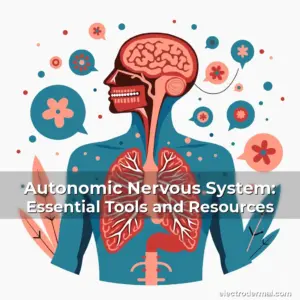
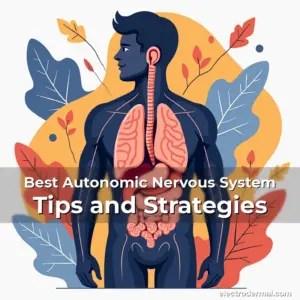
The autonomic nervous system operates as our body’s automatic pilot, managing essential processes without conscious thought. These include regulating heartbeat, digestion, respiration, and even pupil dilation. Its constant vigilance ensures survival through precise control over vital physiological mechanisms.
Comprised of two primary divisions—sympathetic and parasympathetic—the ANS functions like a finely tuned balance between action and relaxation. This duality allows the body to respond swiftly to threats while maintaining optimal conditions for restorative functions crucial for long-term health.
It acts as both an alarm system and a recovery mechanism, activating fight-or-flight responses when danger arises but also initiating deep relaxation states necessary for healing and regeneration. This dual functionality makes it indispensable for overall well-being.
Understanding how each division contributes to different scenarios helps explain why certain techniques work better than others in restoring equilibrium quickly. For instance, deep breathing exercises primarily engage the parasympathetic branch to induce calmness effectively.
Recognizing Imbalance: Signs Of Dysregulated ANS
Dysfunction within the autonomic nervous system often manifests subtly through physical symptoms. Common indicators include chronic fatigue despite adequate sleep, frequent headaches, digestive disturbances such as bloating or irritable bowel syndrome (IBS), and unexplained anxiety spikes.
A noticeable shift towards either extreme—that is, excessive sympathetic activation leading to persistent tension or overwhelming parasympathetic dominance resulting in lethargy—can signal deeper issues requiring attention. These patterns frequently coincide with lifestyle factors affecting hormonal balance and mental resilience.
Symptoms might present variably depending on individual physiology; some people experience racing hearts under mild stressors whereas others may struggle with sudden episodes of cold sweats or shaking hands unrelated to external stimuli. Recognizing these variations aids accurate self-assessment.
Beyond physical signs, emotional cues play significant roles too. Mood swings becoming increasingly erratic could reflect disruptions in autonomic regulation rather than mere personality shifts. Tracking mood changes alongside somatic complaints provides clearer diagnostic insight.
Rapid Reset Techniques For Immediate Relief
When faced with urgent situations demanding swift stabilization of ANS activity, several evidence-based interventions offer reliable support. These methods prioritize simplicity so they can be applied anywhere—at home, office spaces, or even public places where privacy limitations exist.
One effective technique involves regulated diaphragmatic breathing known colloquially as ‘box breathing.’ Involving equal counts for inhaling, holding breath, exhaling, then pausing again, this method rapidly lowers cortisol levels associated with high-stress events by promoting vagal tone enhancement.
Pairing controlled respiration with grounding exercises further accelerates calming effects. Focusing intently on sensory inputs such as textures beneath fingertips or sounds around oneself diverts cognitive load away from distress signals originating internally.
- Box Breathing: Breathe in for four seconds, hold for four seconds, breathe out fully over four seconds, pause briefly before repeating cycle. Three rounds typically suffice for initial stabilization.
- Cognitive Reframing: Consciously reinterpreting stressful circumstances reduces perceived threat value which subsequently lessens activation response across various ANS components.
- Pulsed Light Exposure: Brief exposure to natural sunlight or bright artificial light sources resets circadian rhythms disrupted due to prolonged indoor living common among urban dwellers.
Taking Control Through Mindfulness Practices
Mindfulness encompasses more than meditation—it includes any intentional act aimed at observing current experiences without judgment. Integrating brief mindfulness sessions into daily routines fosters greater awareness about internal states influencing autonomic function regularly.
This heightened sensitivity enables early detection of emerging dysregulations allowing preemptive measures rather than reactive ones. Small increments dedicated solely toward noticing bodily sensations facilitate this developmental process efficiently.
Even five minutes spent focusing exclusively on breath patterns reveals much regarding underlying physiological tensions, offering clues about whether sympathetic pathways remain overly engaged or if parasympathetic modulation needs reinforcement via targeted activities.
Incorporating mindful movement forms another powerful tool against chronically elevated stress markers linked strongly to sustained hyperarousal states characteristic of many contemporary lifestyles marked by digital connectivity demands and perpetual availability expectations.
Building Long-Term Resilience With Regular Exercise
Physical activity serves not merely as cardiovascular exercise but plays multifaceted roles impacting neurochemical profiles beneficial for autonomic stability. Consistent engagement improves heart rate variability (HRV), enhancing capacity for adaptive responses amidst fluctuating environmental challenges.
Varying intensity levels keeps physiological systems adaptable preventing rigidification tendencies observed amongst sedentary populations prone to exaggerated autonomic reactions under minimal provocation. This dynamic conditioning translates directly onto improved coping mechanisms applicable broadly across diverse contexts.
Particularly noteworthy are rhythmic exercises like walking, swimming, or cycling, which synchronize cardiac rhythms naturally facilitating entrainment effects promoting coherent neural firing patterns beneficial for holistic wellness maintenance.
Moreover, incorporating strength training elements strengthens musculoskeletal framework supporting posture alignment—an overlooked factor influencing thoracic cavity expansion critical for efficient respiratory mechanics integral to autonomic functioning.
Nourishing Your Body To Support Optimal Functioning
Diet significantly impacts autonomic dynamics through nutritional influences governing hormone secretion and neurotransmitter synthesis pathways responsible for signaling throughout the neurological hierarchy. Certain foods selectively modulate these biochemical cascades yielding tangible outcomes observable physiologically.
Foods rich in omega-3 fatty acids demonstrate particular efficacy owing largely to their anti-inflammatory properties reducing systemic inflammation contributing indirectly to dysregulated sympathovagal relationships commonly seen clinical settings involving chronic pain syndromes.
Incorporating fermented products introduces probiotics that enhance gut microbiota composition indirectly influencing brain-gut axis communications pivotal during periods requiring enhanced regulatory capabilities along autonomic circuits.
Adequate hydration remains non-negotiable since water volume affects vascular compliance directly determining perfusion rates influencing every organ involved in executing autonomous functions smoothly without undue strain accumulation risking burnout scenarios over extended durations.
Cultivating Healthy Sleep Patterns For Autonomic Harmony
Sleep constitutes approximately one-third of human existence yet receives disproportionately low emphasis relative importance concerning autonomic integrity preservation efforts. Disrupted circadian cycles impair regenerative capacities hampering ability regain baseline functional benchmarks required sustaining normal operations indefinitely.
Evidence suggests regularized nocturnal rhythms reinforce parasympathetic predominance ensuring sufficient restoration phases occur uninterrupted enabling full metabolic reset cycles prerequisite prior initiating new day’s energetic requirements accurately met.
Strategies encompass limiting blue-light exposure particularly before bedtime hours facilitates quicker onset latency times aligning melatonin release peaks appropriately with desired sleep windows increasing total quality obtained consistently nightly irrespective changing circumstance variables externally imposed.
Creating blackout environments using specialized curtains paired with white noise machines eliminates intrusive stimuli capable disrupting synchronized oscillatory waveforms fundamental healthy neural synchronization imperative long term success narratives focused achieving peak performance metrics defined personally relevant goals established initially engagement phase whole endeavor.
Environmental Adjustments Enhancing Natural Regulation
External surroundings exert considerable influence shaping autonomic behaviors necessitating deliberate consideration arranging personal space accordingly promotes spontaneous normalization instead relying wholly synthetic interference approaches potentially counterproductive outcomes.
By integrating ergonomic furniture configurations optimizing spinal curvature alignment indirectly enhances diaphragm mobility facilitative deeper abdominal respirations strengthening vagus nerve responsiveness inherently advantageous maintaining balanced hemodynamic status continually monitored updated dynamically according shifting demands arising naturally course everyday existence.
Exposure to nature has demonstrable positive impacts mitigating excessive sympathetic excitation prevalent modern society characterized incessant multi-tasking obligations coupled technological saturation diminishing opportunities engage biophilic interactions replenish depleted resources gradually accumulated relentless pace urban existence.
Simple modifications including indoor plants improving air quality simultaneously infusing serene aesthetics conducive fostering relaxed mental states positively reinforcing intended therapeutic objectives pursued through systematic implementation described previously document.
Leveraging Biofeedback Tools For Enhanced Awareness
Modern technology presents unprecedented access utilizing biofeedback tools enabling real-time monitoring physiological parameters otherwise imperceptible ordinary observation techniques available conventional means assessment typically required diagnoses professional consultation extensive medical evaluations usually preceded treatment initiation protocols followed traditional routes care delivery models historically standard practice global healthcare landscapes.
These devices provide instantaneous data regarding heart rate variability, skin conductance levels indicating sweat gland activity correlated closely with stress perception indices measurable objectively bypass subjective interpretation subjectivity bias potential confounding factors skewing results inaccurately representing actual condition state organism analyzed thoroughly comprehensively.
User-friendly interfaces make these instruments accessible even to beginners, allowing gradual acclimation understanding complex physiological phenomena simplifying subsequent application practical solutions derived empirical evidence gathered repeatedly testing varying interventions calibrated precisely desired outcome achieved successfully maintained indefinitely forward-looking trajectory sustained progress measurement milestones periodically reviewed adjusted accordingly ongoing development journey.
Selecting appropriate equipment based specific needs considers features such portability, battery life, accuracy specifications meeting minimum standards recommended reputable manufacturers providing valid certifications ensuring reliability consistency measurements taken consistently over period establishing meaningful trends reflective true biological reality being studied meticulously dissected component parts assembled cohesively informative composite picture guiding future decisions confidently made informed choices resulting favorable consequences desirable direction pursued deliberately.
Conclusion
Managing the autonomic nervous system effectively requires recognizing its role as the body’s default governor of essential processes. By employing targeted interventions—from rapid resets to long-term lifestyle adjustments—one can restore balance efficiently regardless of situational constraints facing modern lives.
Integrating these strategies into daily habits creates a resilient foundation that supports optimal functioning, ensuring your body remains agile and responsive to life’s challenges without unnecessary stressor-induced complications. Prioritize self-awareness and proactive management to achieve lasting improvements in your autonomic health today.

news is a contributor at ElectroDermal. We are committed to providing well-researched, accurate, and valuable content to our readers.