Autonomous Healing: The Autonomic Nervous System as an Electrodermal Foundation
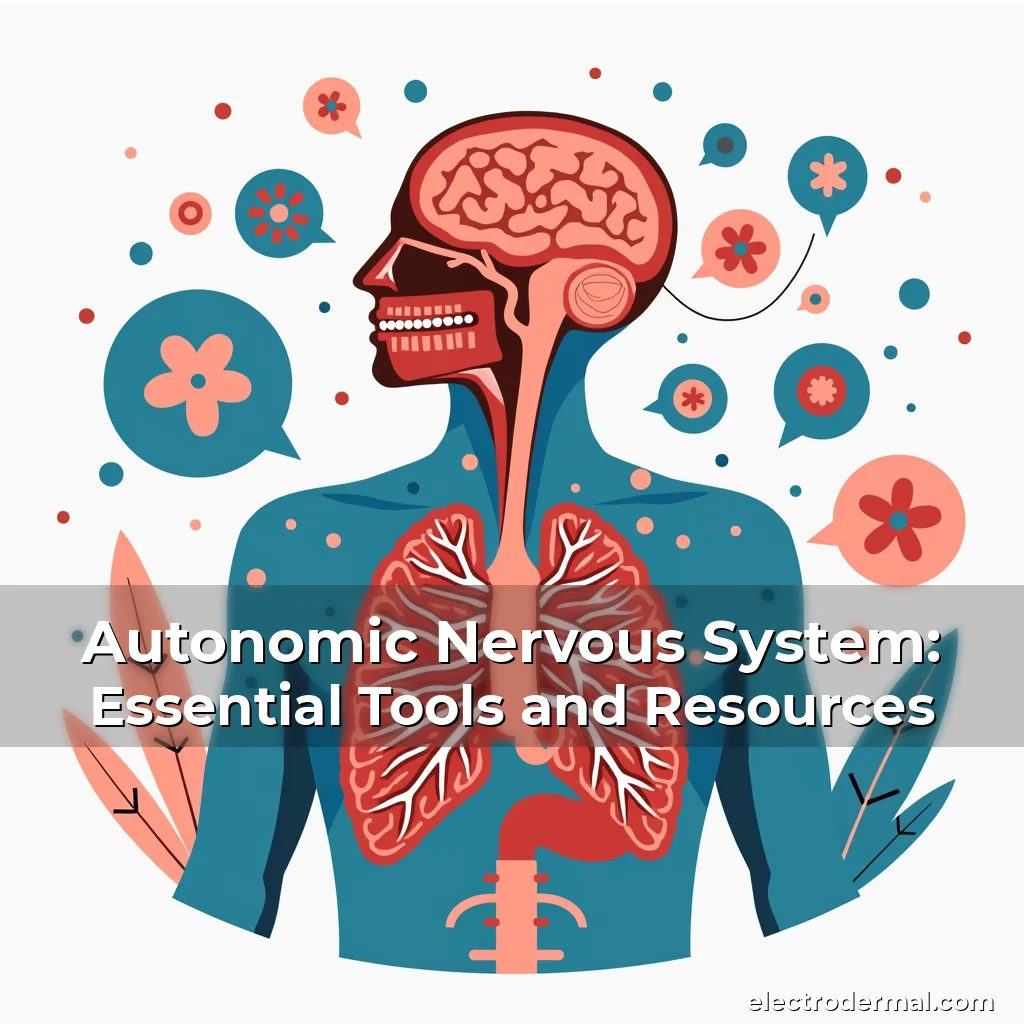
The autonomic nervous system (ANS) forms the biological bedrock upon which all electrodermal responses are built. This intricate network operates beyond conscious control, orchestrating vital functions from heart rate regulation to sweat gland activation—key factors in the electrodermal process that underpin our body’s ability to interact with external stimuli.
For those exploring electrodermal phenomena, understanding the ANS is not merely academic—it becomes foundational knowledge that unlocks deeper comprehension of how our bodies respond electrically at skin level. Whether through biofeedback practices or traditional diagnostic methods, recognizing these physiological rhythms can transform your approach to health monitoring and therapeutic interventions.
Biological Blueprint of Neural Regulation
At its core, the autonomic nervous system acts as a bridge between our internal physiology and environmental interactions. It consists of two primary divisions—the sympathetic and parasympathetic systems—that work in tandem yet often opposing roles to maintain homeostasis within the human body.
This duality creates a dynamic balance essential for survival; while the sympathetic division prepares us for action during stress situations, the parasympathetic division facilitates recovery after such episodes by restoring normal bodily functions including digestion and relaxation.
- Sympathetic Activation: Often referred to as ‘fight-or-flight,’ this mode triggers increased alertness, elevated blood pres
- Parasympathetic Restoration: Known as’rest-and-digest,’ this state promotes calmness, lowers heart rates, and enhances gastrointestinal activity crucial for nutrient absorption and cellular repair processes.
The interplay between these branches influences everything from cognitive performance to emotional stability, making their study indispensable for anyone seeking mastery over their own electrodermal signatures.
Electrodermal Signatures and Neurophysiological Responses
Electrodermal activity serves as a measurable indicator of neurovegetative function, reflecting changes occurring within both sympathetic and parasympathetic pathways. These fluctuations manifest most notably in galvanic skin response measurements used extensively across various fields ranging from psychological assessment to forensic science applications.
Variations observed in electrodermal readings correlate strongly with shifts along the autonomic spectrum—from high arousal states associated with anxiety disorders down to baseline tranquility seen following successful meditation sessions or deep breathing exercises aimed specifically at activating parasympathetic dominance.
By examining patterns present in these electrical signals, practitioners gain insight into underlying neurological conditions affecting autonomic regulation without invasive procedures typically required by conventional diagnostics.
Mechanisms Behind Skin Conductance Measurement
Central to understanding electrodermal behavior lies appreciation of eccrine sweat glands whose activity directly affects surface conductivity. When activated via neural stimulation originating primarily from thoracolumbar segments of spinal cord (sympathetic), they secrete water-based fluids increasing dermal resistance momentarily before reabsorption occurs naturally through surrounding tissues.
This transient change provides clinicians with real-time data regarding central nervous system integrity since impaired signaling could result either from physical damage sustained during trauma events or progressive degeneration witnessed among patients suffering from Parkinson’s disease amongst others.
Clinical devices designed around detecting these minute variations employ highly sensitive electrodes placed strategically against palms soles where concentrations of active sudomotor units remain highest due largely to evolutionary reasons tied closely with thermoregulation mechanisms employed historically by early humans navigating diverse climates.
Historical Context & Modern Applications
Detailed exploration reveals origins tracing back centuries ago when early physicians first recognized correlation existing between emotional experiences and observable physical signs particularly noticeable in extremities involving perspiration levels.
With advent came technological advances enabling precise quantification leading eventually towards establishment formalized methodologies now commonly utilized globally whether investigating psychophysiology aspects related mental wellness tracking progress made possible through digital integration facilitating remote monitoring capabilities never previously imagined achievable decades prior.
Today’s electrodermal analysis tools incorporate AI algorithms trained upon extensive datasets capturing typical waveform profiles allowing automated interpretation reducing dependency solely onto subjective assessments performed manually by individual experts prone errors inherent human judgment processes.
Integrating ANS Understanding Into Holistic Practices
Incorporation of autonomic nervous system principles enriches holistic healing modalities significantly enhancing effectiveness achieved through combination therapies targeting root causes rather than symptomatic relief alone.
Practitioners utilizing this integrated approach may observe accelerated recovery timelines coupled improved patient satisfaction metrics attributable enhanced alignment maintained consistently between mind-body connections fostered deliberately through structured protocols emphasizing self-awareness development alongside technical proficiency acquisition simultaneously.
Prominent examples include application within acupuncture treatments wherein subtle adjustments applied selectively based upon pre-existing autonomic imbalances identified initially via electrodermal screening contribute substantially toward optimizing outcomes realized ultimately through synergistic effects produced collectively when combined effectively with other complementary disciplines.
Training Resources For Mastering Electrodermal Techniques
A wealth of educational materials exists accessible online catering specifically needs individuals wishing acquire expertise relating managing electrodermal activities efficiently accurately.
Courses offered range widely covering fundamental theory right up advanced practitioner certifications ensuring progression remains seamless regardless starting points varying considerably depending personal backgrounds goals pursued actively.
Additionally numerous workshops available locally internationally providing hands-on experience critical developing practical skills necessary translating theoretical knowledge successfully into clinical settings requiring precise execution maintaining standards expected professionals operating within regulated healthcare environments worldwide today.
Selecting appropriate learning pathway depends largely determining desired depth engagement; beginners might find introductory webinars sufficient whereas seasoned professionals would benefit immensely pursuing specialized masterclasses focused niche areas exhibiting greatest relevance current research directions emerging trends shaping future trajectories within field continuously evolving rapidly.
Future Directions In Autonomic Research And Technology
Ongoing studies continue expanding horizons opened originally limited scope earlier investigations revealing fascinating potential hitherto unexplored domains waiting discovery further illumination.
Emerging technologies promise revolutionizing ways we diagnose monitor treat dysfunctions arising autonomics suggesting exciting possibilities ahead capable transforming landscape entirely once implemented broadly across medical communities globally embracing innovations wholeheartedly.
Advancements anticipated likely involve miniaturization sensors embedded wearable fabrics collecting continuous streams biometric information automatically processed instantly yielding actionable intelligence guiding personalized treatment plans dynamically adapting according changing circumstances encountered daily life amidst ever-present challenges faced modern society increasingly complex multifaceted nature contemporary existence demands greater resilience adaptability than ever before.
Such developments underscore importance cultivating strong foundation rooted solid grasp fundamentals concerning autonomic functioning serving as springboard launching pad venturing boldly forward exploring frontiers yet untouched awaiting courageous pioneers willing venture beyond comfort zones established thus far.
Conclusion
Understanding the autonomic nervous system offers profound insights into the electrodermal framework that governs our body’s responses to external stimuli. By grasping its dual roles in sustaining equilibrium and reacting to environmental cues, you unlock avenues for enhanced health awareness and therapeutic intervention strategies tailored precisely to individual needs.
Whether through direct application in clinical scenarios or indirect influence on general well-being practices, mastering the intricacies of the ANS equips you with invaluable knowledge that transcends mere academic interest—transforming into a practical toolset applicable across myriad contexts demanding nuanced comprehension of human physiology at its deepest layers.

news is a contributor at ElectroDermal. We are committed to providing well-researched, accurate, and valuable content to our readers.