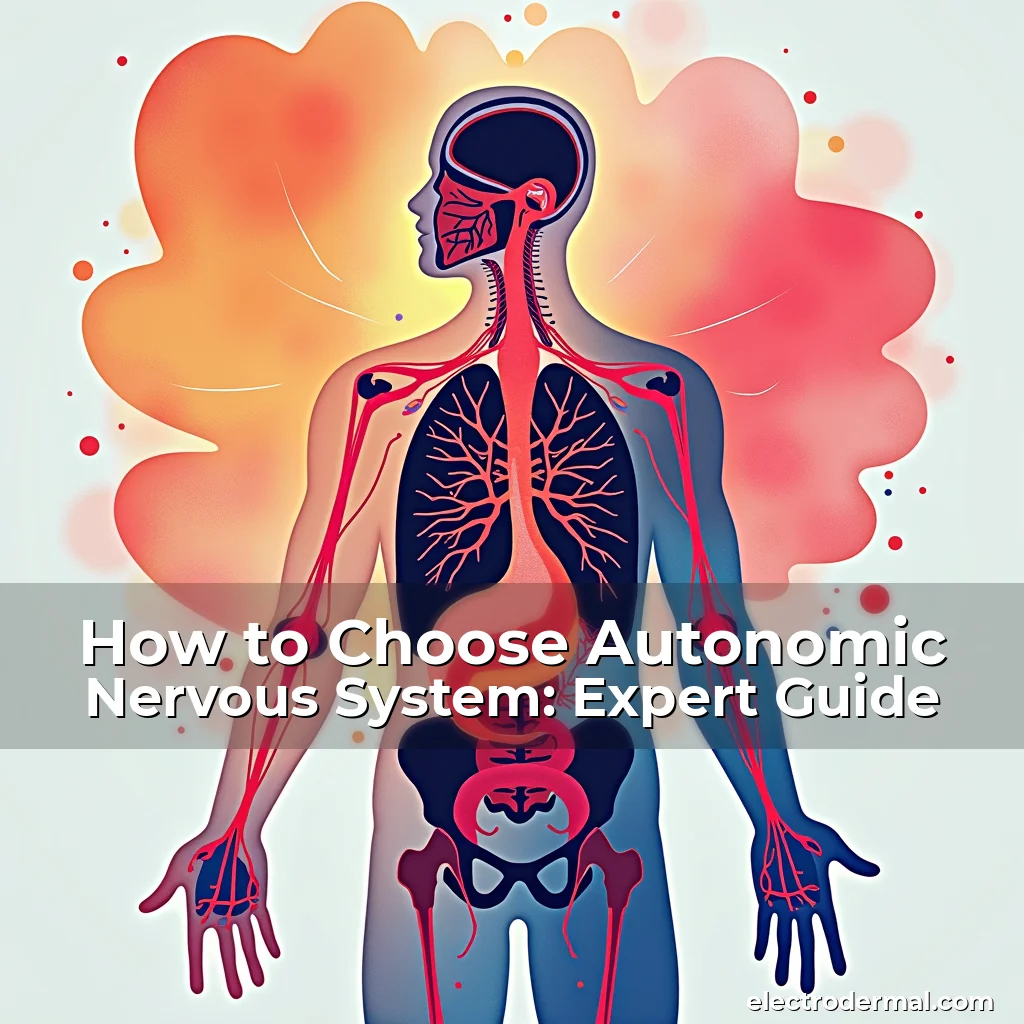
The Invisible Conductor: Understanding the Autonomic Nervous System in Depth
In the complex orchestra of human physiology, the autonomic nervous system plays the role of the unseen conductor, orchestrating vital processes without our conscious awareness. This intricate network governs functions ranging from heart rate regulation to digestion, yet remains largely unknown to most people despite its critical importance.
Learning to recognize the subtle signals your body sends through the autonomic system can be life-changing, especially for those engaged with biofeedback technologies and holistic wellness practices. The interplay between sympathetic and parasympathetic pathways holds particular significance for individuals tracking physiological responses via galvanic skin response measurements and other electrodermal techniques.
Anatomy of Automatic Control
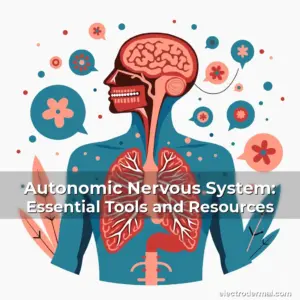
Situated beneath the conscious mind’s surface, the autonomic nervous system operates as an independent regulatory mechanism within the peripheral nervous system. Its primary function is to maintain homeostasis by modulating involuntary bodily functions such as breathing, blood pres
This extensive neural network extends from the spinal cord to various organs, forming a web of connections that enable rapid physiological adjustments to internal and external stimuli. Through ganglia clusters scattered along these pathways, nerve signals are processed and redirected according to precise needs of target tissues.
The structural complexity allows for nuanced control mechanisms that have been evolving over millions of years. Neural circuits formed during embryonic development establish lifelong functional patterns observable even in early childhood stages.
- Craniosacral pathway: Originates at medulla oblongata, controls visceral organ activities including respiration and cardiac output
- Efferent fibers: Specialized neurons transmitting impulses from central nervous system to effector organs carrying out requested actions
- Varicosities: Enlarged terminal branches of postganglionic neurons that release neurotransmitters at synaptic junctions
Balancing Opposites: Sympathetic vs Parasympathetic Pathways
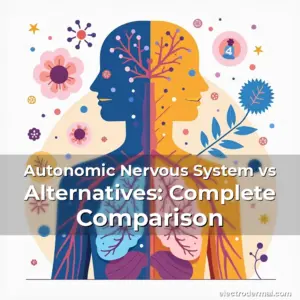
The autonomic system divides into two opposing divisions that regulate body states in complementary ways. While they appear antagonistic, their coordinated interaction creates dynamic equilibrium crucial for survival under diverse conditions.
Sympathetic division prepares the body for active engagement through fight-or-flight responses, increasing heart rate, dilating airway passages, and redirecting blood flow to skeletal muscles. Conversely, parasympathetic systems promote restorative functions, maintaining metabolic baseline levels after acute demands pass.
Hormonal interactions reinforce these neural pathways, creating reinforcing feedback loops that shape behavioral responses. Cortisol secretion associated with prolonged stress activates sympathetic mechanisms while oxytocin enhances parasympathetic dominance during affiliative social behaviors.
Neurochemical Signatures
Differentiating these pathways relies heavily on characteristic neurochemical signatures present at synaptic terminals. Norepinephrine predominantly mediates sympathetically driven reactions whereas acetylcholine facilitates parasympathetic modulation of tissue activity.
Mixed innervation patterns exist where both types coexist within single anatomical structures. For instance, pupillary constriction occurs via parasympathetic stimulation but dilation happens due to sympathetic activation illustrating functional duality inherent in many organ systems.
Physiological Influences and Environmental Interactions
External environmental factors significantly impact autonomic functioning which influences everything from sleep quality to cognitive performance. Chronic exposure to artificial lighting disrupts circadian rhythms governed by hypothalamus-pituitary-adrenal axis coordination.
Variations in ambient temperature activate compensatory thermoregulatory mechanisms mediated primarily through thermal receptors located across skin surfaces. These receptors initiate cascading effects modifying sweat production rates and vascular reactivity accordingly.
Aerobic exercise training increases parasympathetic tone measurable through heart rate variability analysis demonstrating plasticity within autonomic circuitry adaptable to habitual physical demands.
Electrodermal Communication and ANS Functionality
Intriguingly, electrodermal phenomena provide direct insight into ongoing autonomic regulation. Measurable changes in electrical conductance across fingertips correlate strongly with fluctuating sympathetic arousal levels as detected by specialized instrumentation used within psychophysiology research settings.
This connection between dermal conductance and autonomic state offers valuable applications beyond diagnostic purposes towards developing wearable health monitoring devices capable of real-time stress assessment capabilities tailored specifically for mindfulness practitioners seeking physiological feedback validation.
Fundamental understanding of dermatoglyphic ridges and eccrine gland distribution helps explain spatial variance observed among measurement sites typically prioritizing distal extremities over proximal locations for maximal sensitivity detection opportunities.
Practical Implications and Clinical Relevance
Aberrant autonomic functioning manifests clinically through varied symptomologies requiring multidisciplinary evaluation approaches involving electrophysiological testing alongside traditional medical diagnostics. Dysfunction spans disorders ranging from orthostatic hypotension syndrome affecting elderly populations to more esoteric forms seen in autoimmune inflammatory conditions.
New therapeutic interventions focusing on neuroplastic reorganization show promising outcomes particularly when combined with conventional pharmacological treatments in managing refractory chronic pain syndromes linked with maladaptive autonomic reflexes.
Emerging digital therapeutics employing biofeedback protocols calibrated around individualized autonomic profiles demonstrate enhanced efficacy compared to standardized regimens addressing specific patient demographic characteristics effectively improving treatment adherence metrics substantially.
Nutritional and Lifestyle Factors
Modern dietary habits contain hidden triggers that inadvertently influence autonomic stability. Excessive consumption of stimulant-laden beverages correlates with altered sympathetic responsiveness detectable through abnormal nocturnal heart rate dynamics monitored by ambulatory telemetry studies conducted in sleep laboratories.
Circadian misalignment caused by inconsistent meal timing disrupts glucose metabolism patterns altering fuel availability sensed by hypothalamic centers regulating appetite suppression and satiety signaling molecules ultimately impacting autonomic coherence indicators derived from HRV data analyses.
Regular practice of diaphragmatic breathing exercises known to enhance vagal efference demonstrates capacity to increase parasympathetic predominance reducing markers of systemic inflammation linked to cardiovascular disease risk assessments routinely performed during annual check-ups.
Future Directions and Research Frontiers
Ongoing investigations explore novel biomarkers that could revolutionize how we monitor autonomic function non-invasively. Current research targets identifying specific lipid mediators associated with sustained parasympathetic dominance offering potential breakthroughs in targeted neurological rehabilitation methodologies soon entering clinical trial phases.
Precision medicine approaches incorporating polygenic risk scores calculated from whole-genome sequencing data promise customization levels previously unattainable enhancing effectiveness ratios across wide range of neuropsychiatric and somatic complaints currently managed using generalized therapeutic algorithms.
Advances in optogenetic manipulation open exciting possibilities allowing controlled modulation of autonomic circuits in vivo providing unprecedented insights into pathophysiological mechanisms underlying diverse dysfunctions while simultaneously enabling experimental evaluation of hypothetical remedies before human trials commence.
Conclusion
Though often overlooked in everyday consciousness, the autonomic nervous system represents a sophisticated regulatory apparatus essential to maintaining cellular homeostasis across every physiological domain affected directly or indirectly by environmental exposures.
To harness its potential fully requires cultivating deeper awareness of unconscious bodily signals coupled with informed decision-making based upon empirical evidence derived from systematic observation rather than anecdotal impressions ensuring reliable personal growth aligned with biologically optimal developmental trajectories inherently programmed through evolutionary adaptation processes spanning millennia of natural selection pressures.

news is a contributor at ElectroDermal. We are committed to providing well-researched, accurate, and valuable content to our readers.